Shift reportReviews
- Filed
- By
- NeonRepute
- Reading
- 8 min
Responding to negative nightlife reviews: five hard cases, worked through
A reply to a bad review is read by every guest who looks you up afterwards. What guests now expect from those replies, a simple structure that works, and five hard nightlife cases worked through.
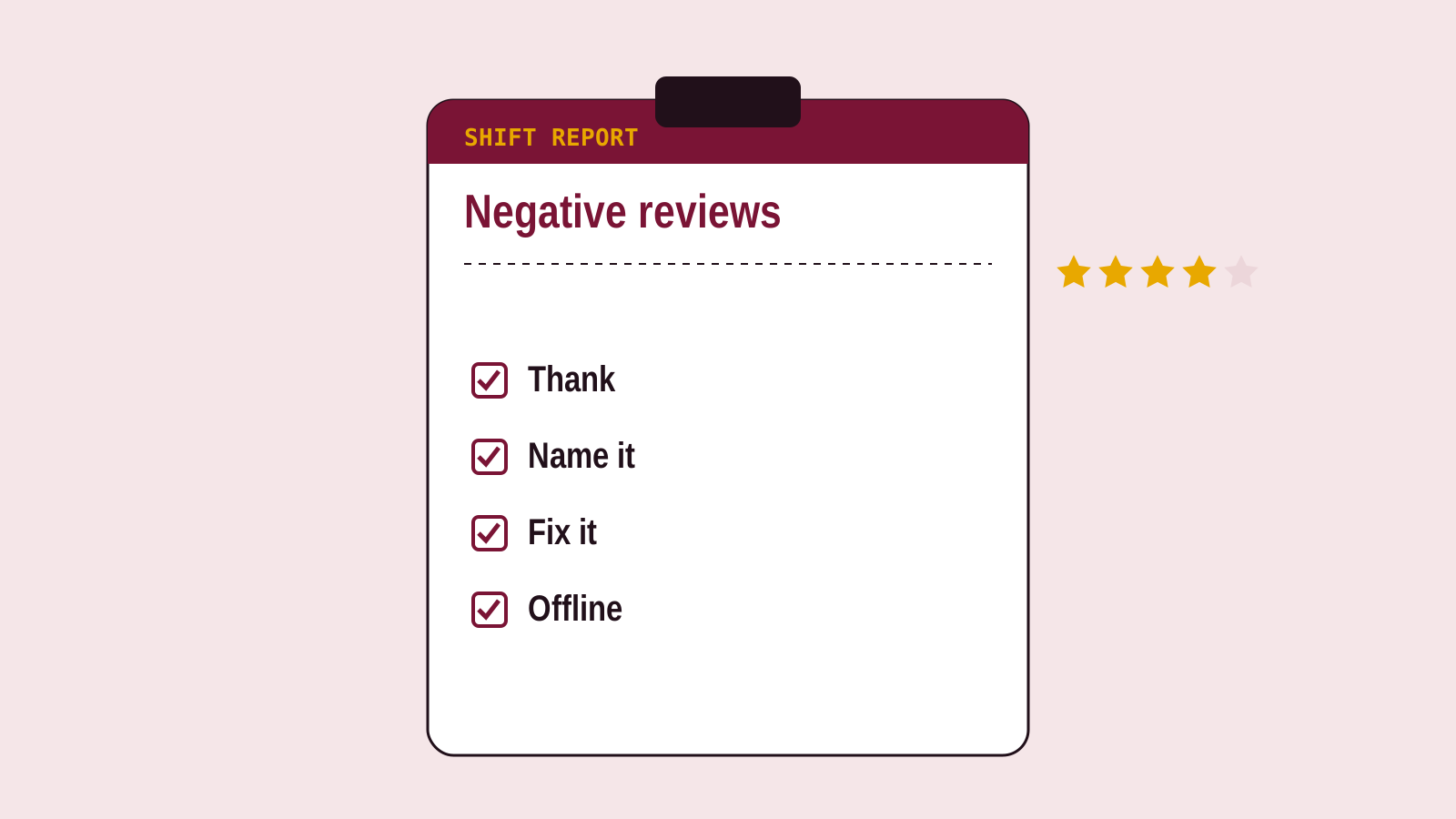
What guests expect now
Replies matter more than they used to. BrightLocal's Local Consumer Review Survey 2026, based on 1,002 US adults, found that 80% are more likely to use a business that replies to all of its reviews, and that generic or templated replies put off half of them. Expectations on speed are rising too: 19% now expect a reply the same day, and most expect one within a week.
For a nightlife venue, that means the reply is part of the guest experience. People reading it are deciding whether to spend their Saturday with you.
A structure that works
- Thank the reviewer, using the name on the review where there is one.
- Name the problem in their words, so readers see you understood.
- Say what changed, or what you are checking.
- Offer a real contact, a named role and an email, for anything further.
Keep it short. Three or four sentences read as calm; three paragraphs read as a defense. The same method is part of our review management service, and replies to posts beyond review sites are covered by brand monitoring.
Case 1: "The door staff refused us for no reason"
Door decisions are a common source of angry nightlife reviews, and the reply cannot reveal why a specific person was refused. Explain the policy, not the person.
Avoid
"You were clearly drunk and our staff made the right call."
Better
"Sorry your night started this way. Our door team follows the same entry policy every night, posted on our website. If you think it was applied unfairly, email our general manager and we will look into it."
Case 2: A staff member is named
Never repeat the staff member's name, and never discuss discipline in public. Acknowledge the experience, confirm the matter is being handled privately, and give a manager's email. If the review contains insults or personal details about the employee, report it under the platform's harassment rules as well.
Case 3: A safety or discrimination claim
Treat it seriously and briefly. Say you take it seriously, that you are reviewing what happened, and how the guest can reach a manager. Do not deny, argue or share footage publicly. Tell the owner the same day; a claim like this can become a red-level incident, covered in our recovery plan.
Case 4: Prices, waits and noise
These are the fair complaints, and the ones where a reply can win future guests. Be specific about what you do: when the queue is shortest, what the cover charge includes, which room is quieter. If you have changed something, say so plainly.
Case 5: A review that does not look real
A one-star review from an account with no history, describing a night you had no event, may be fake. Reply briefly and neutrally, for example saying you cannot find a record of the visit and inviting the reviewer to get in touch, then report it through the platform. How to tell the difference is in our guide to fake review response.
Guest asks, venue replies
Guest asksShould the owner or a manager reply?
Venue repliesWhoever replies, sign it with a real role, such as general manager. Guests trust a named role more than an anonymous brand voice.
Guest asksCan we reuse a reply template?
Venue repliesUse a structure, not a script. BrightLocal found half of consumers are put off by generic or templated replies, so every reply should mention something specific from the review.
Guest asksWhat if the review is partly true and partly exaggerated?
Venue repliesAnswer the true part fully and correct the rest briefly and calmly. Arguing over details makes the whole reply read as defensive.