Shift reportRecovery
- Filed
- By
- NeonRepute
- Reading
- 8 min
A reputation recovery plan for nightlife venues, ready to fill in
The worst time to write a recovery plan is during the incident. This one is meant to be filled in on a quiet Tuesday: named roles, a holding statement with blanks, an evidence log and three paths depending on what really happened.
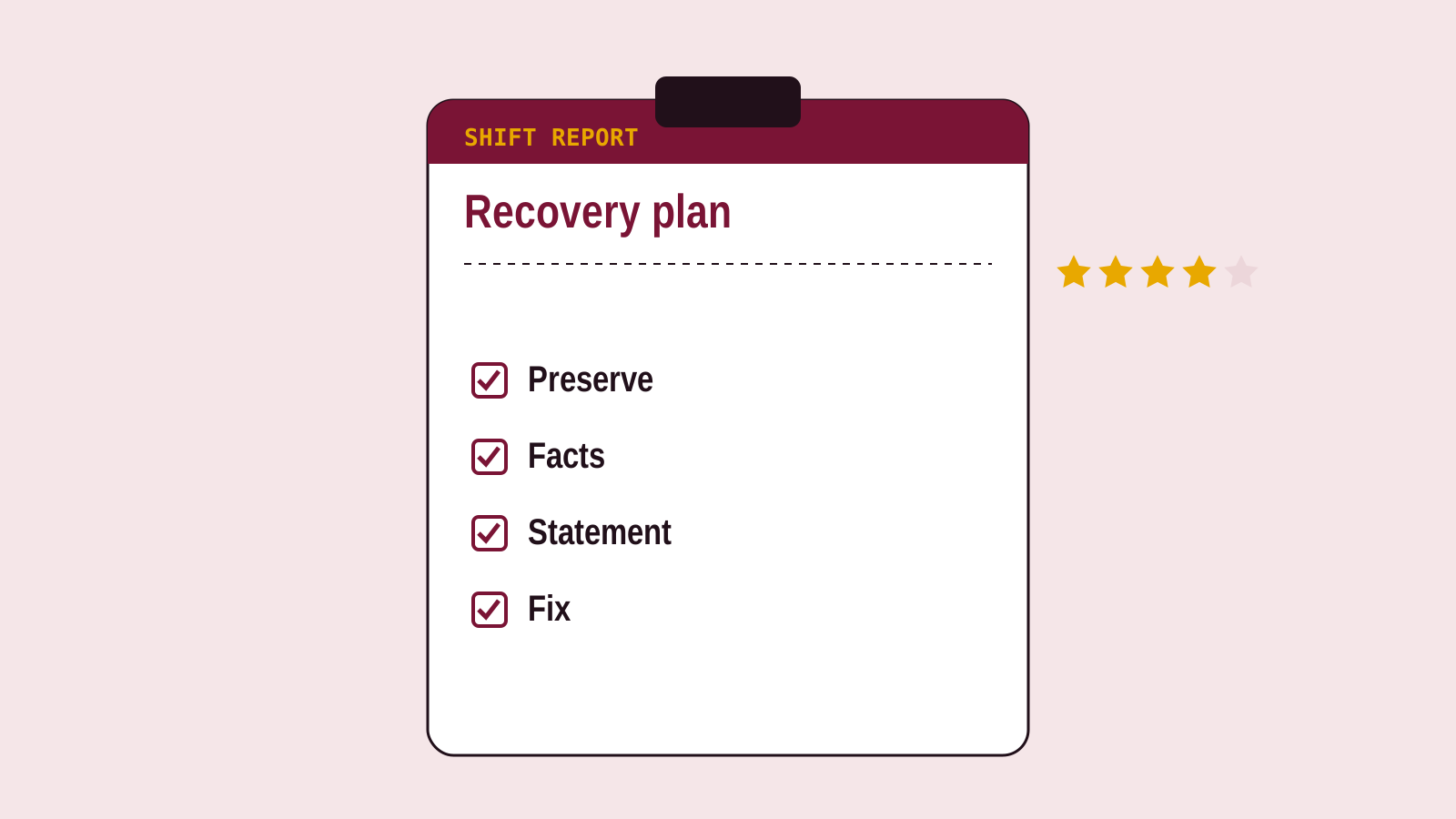
Write it before you need it
During an incident, everyone is tired, upset and short of facts. Decisions made in that state tend to be defensive: arguing with reviewers, deleting posts, saying too much or nothing at all. A plan written on a quiet weekday makes the right moves the easy ones. Fill in the blanks below, print it, and keep a copy where managers can find it at 2 a.m.
Part 1: Roles
| Role | Job during an incident | Name and phone |
|---|---|---|
| Lead | Makes the calls, approves every public word | ________ |
| Spokesperson | The only person who comments publicly | ________ |
| Evidence keeper | Saves posts, reviews, footage and messages | ________ |
| Platform reporter | Files reports with review sites and social platforms | ________ |
| Adviser | Lawyer or insurer, for injury, crime or claims | ________ |
In a small bar, one person may hold two roles. What matters is that every role has a name.
Part 2: The holding statement
The first public words should buy time without denying anything or admitting what you do not yet know. Keep this template ready:
Holding statement
"We are aware of [what is being said] at [venue name] on [date]. We take this seriously and are reviewing [footage / accounts from staff and guests]. We will share an update by [time]. Anyone with information can contact [role] at [email]."
Post it once, where the story is spreading, and pin it if the platform allows. Do not paste it under every review.
Part 3: The evidence log
For every item, record: where it appeared, a link, the time you saw it, a screenshot, and the account that posted it. Keep footage and staff notes separately and securely. This log is what a platform wants to see when you flag reviews written by non-guests, and what an adviser needs if the matter goes further.
Part 4: Three paths
- It happened, and it was our fault. Apologize once, plainly, say what is changing, and do it.
- It happened, but the story is wrong. Share the facts calmly, without attacking anyone, and let the evidence speak.
- It did not happen, or the reviewers were never here. Report the reviews with your evidence and reply briefly and neutrally. Signs to look for are covered in our guide to fake review response.
Whichever path, never post fake reviews to rebalance a rating, and never threaten honest reviewers. Both fall foul of the FTC's 2024 rule on reviews, explained on nightlife reputation management.
Part 5: The after-action review
Two weeks later, meet for thirty minutes. What happened, what the plan got right, what it missed, and what changes in operations, training or policy. Then update this document. Recovery ends with the fix, not with the last review.
If you would rather have someone on call when it happens, that is our reputation recovery service.
Guest asks, venue replies
Guest asksShould our lawyer approve every statement?
Venue repliesFor anything involving injury, a crime or a possible claim, yes, and your insurer may want to know too. For an ordinary run of bad reviews, a manager can reply using the plan.
Guest asksWhat if staff post about the incident themselves?
Venue repliesPut a simple rule in the plan now: staff do not comment publicly on incidents, and they pass any questions to the named spokesperson.
Guest asksHow often should we review the plan?
Venue repliesOnce a year, and after every incident. Update names and phone numbers whenever managers change.